
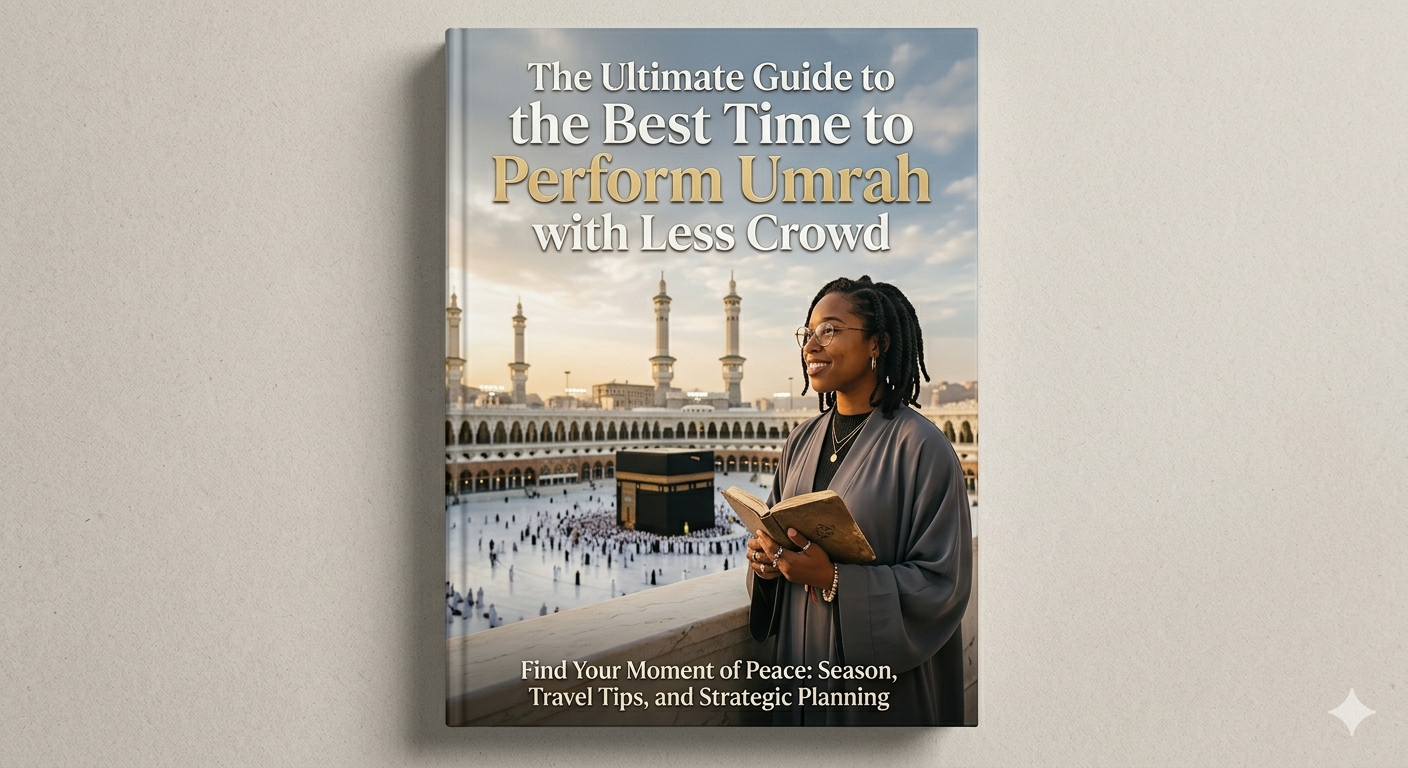
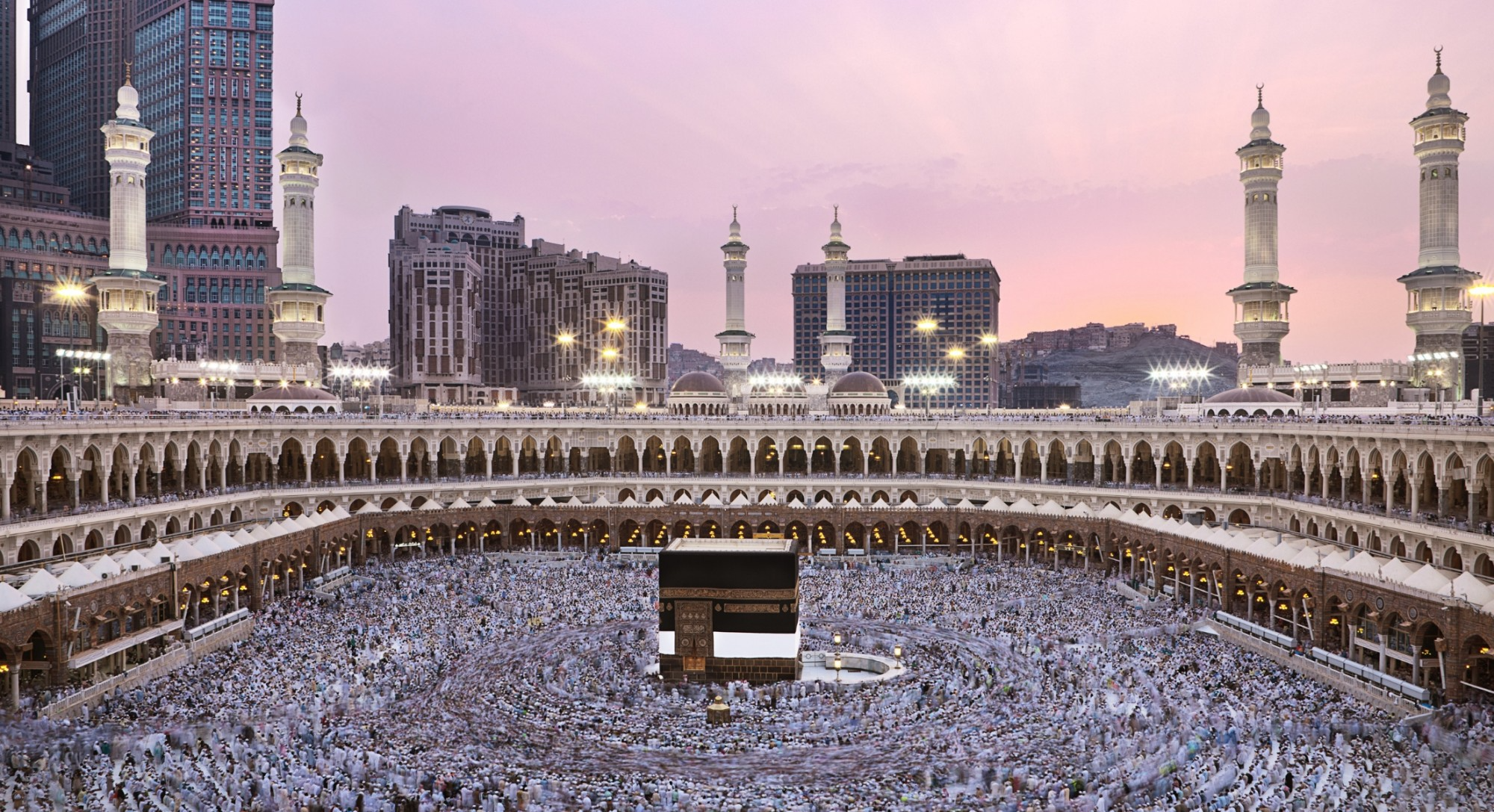
Performing the sacred pilgrimage of Umrah is a deeply profound, life-changing spiritual journey. However, the sheer density of millions of global pilgrims gathering simultaneously can sometimes overwhelm the senses and detract from personal reflection. Finding the best time to perform Umrah with less crowd allows you to focus purely on your devotion, experience shorter wait times, and navigate the holy sites with profound peace of mind.
This comprehensive guide breaks down the strategic windows throughout the year that offer a quieter, more serene pilgrimage experience.
The Peak vs. Off-Peak Seasons
To successfully find the best time to perform Umrah with less crowd, one must first understand what drives the major surges in pilgrim volume. The crowd density in Makkah and Madinah fluctuates based on two primary factors: the Islamic lunar calendar and global holiday schedules.
The Peak Windows to Avoid
If your primary objective is to escape heavy congestion, you should generally bypass the following periods:
The Month of Ramadan: While spiritually immense, this is the absolute peak season for Umrah, resulting in maximum crowd capacity.
The Hajj Season: Umrah visas are restricted, and the holy cities fill to their absolute limits with global pilgrims.
Global School Holidays: Mid-summer (July and August) and winter breaks (late December) bring heavy family traffic.
The Prime Months for a Less Crowded Umrah
When analyzing the annual calendar, specific hidden windows emerge as the absolute best time to perform Umrah with less crowd. Choosing these off-peak months ensures shorter queues for Tawaf, easier access to the Black Stone (Hajr-e-Aswad), and ample space to pray inside the Hatim.
1. The Post-Hajj Reset (Muharram and Safar)
Immediately after the grand Hajj pilgrimage concludes, the Saudi Ministry of Hajj and Umrah reopens the system for Umrah visas. The months of Muharram and Safar see an exponential drop in visitors. Because millions of Hajj pilgrims have just departed, the holy mosques experience a remarkable period of calm.
2. The Mid-Shaban Lull
While the months leading up to Ramadan generally experience a slow buildup of visitors, the first two weeks of Shaban offer a surprisingly quiet window. Many travelers deliberately delay their trips to wait for Ramadan, leaving the early part of this month highly accessible.
3. The Autumn Shoulder Season (September to November)
On the Gregorian calendar, the period between September and November strikes an incredible balance. It avoids major international holiday seasons, resulting in significantly thinner crowds inside the Haram.
Seasonal Comparison: Weather, Crowd Levels, and Costs
Finding the best time to perform Umrah with less crowd also requires balancing weather comfort and your financial budget. The table below outlines how different times of the year stack up:
| Time of the Year | Crowd Density | Average Weather Condition | Ideal For | Cost Efficiency |
|---|---|---|---|---|
| Post-Hajj (Muharram & Safar) | Very Low | Extremely Hot | Budget travelers & solo pilgrims | Highly Affordable |
| Autumn (September - November) | Low to Medium | Milder/Transitioning | Families and elderly pilgrims | Moderately Priced |
| Winter (December - January) | High | Cool and Pleasant | Those prioritizing weather over crowds | Expensive |
| Ramadan | Maximum Peak | Variable | Spiritual intensity seekers | Premium Rates |
Weekly and Daily Micro-Windows for Fewer Crowds
Even if you happen to travel during a moderately busy month, you can still strategically optimize your daily schedule to find the best time to perform Umrah with less crowd. Crowd flow shifts predictably throughout the week and across different hours of the day.
Best Days of the Week
Tuesday and Wednesday: These mid-week days see the lowest influx of domestic pilgrims from within Saudi Arabia and neighboring Gulf countries.
Days to Avoid: Thursday evening through Saturday, as local weekend travelers arrive in massive numbers.
Best Hours of the Day
Pro Tip: To experience a completely clear Mataf (the white marble area surrounding the Kaaba), time your rituals during these exact windows:
Late Morning (8:00 AM to 11:00 AM): Most pilgrims have returned to their hotels for breakfast and rest after the Fajr prayer, leaving the Kaaba significantly less populated.
Late Night (11:00 PM to 2:00 AM): The rush from the Isha prayer clears out, offering a cool, quiet atmosphere ideal for a peaceful second Umrah or private supplications.
Benefits of Traveling During Low-Crowd Periods
Opting for the best time to perform Umrah with less crowd yields practical advantages that extend far beyond spiritual tranquility.
Proximity to the Holy Sites: With fewer guests staying in Makkah, luxury hotels located directly on the Haram courtyard drop their rates substantially, allowing you to stay closer for a fraction of the peak price.
Unhurried Rituals: You can perform your Sa'i (walking between Safa and Marwa) at your own natural pace without the physical stress of dodging wheelchairs or heavy human traffic.
Easier Access to the Rawdah: In Madinah, securing a coveted slot via the Nusuk app to pray inside the Riyadhul Jannah (the Garden of Paradise) is significantly easier when overall pilgrim volume is low.
Safer Environment for Vulnerable Pilgrims: Traveling with elderly parents or toddlers becomes infinitely safer, minimizing the risk of getting separated or injured in a dense crowd.
Final Verdict
Ultimately, the absolute best time to perform Umrah with less crowd is the post-Hajj window during the Islamic months of Muharram and Safar. If extreme summer heat is a health concern for you, the next best alternative is the late October to November shoulder season, which perfectly blends comfortable, cooler weather with highly manageable crowd levels. By aligning your spiritual intentions with these calculated times, you pave the way for a deeply focused, smooth, and unforgettable Umrah experience.
Related News
-
.webp)
19-Jun-2025
How Many Pakistanis Perform Umrah Every Year
-
01-Oct-2025
Guide to the New Umrah Visa Rules 2025: Mandatory Hotel and Transport Bookings
-
02-Jan-2026
Biman Bangladesh Airlines Resumes Karachi Route
-

21-Apr-2025
Social Media Posts Favoring Palestine May Lead to USA Visa Rejection for Pakistani Applicants
-
20-Jul-2019
Dino Safari for families is really a haunted place
-
11-Jun-2025
Navigating Stability Amidst Economic Currents: An In-Depth Look at Pakistan's Passport Fees Ahead of Budget 2025-26
-

12-Sep-2025
Winter 2025 Family Umrah Packages at Discounted Rates
-
03-Nov-2023
Breaking News: Hajj Flights from Pakistan 2024 - Key Dates and Details Revealed!
-
16-Jan-2026
Rabi-ul-Awwal Umrah Packages: Why Demand Surges Around 12 Rabi-ul-Awwal
-
19-Sep-2026
Saudi Arabia Issues Riyadh Security Alert Threat as Travelers Monitor
-
05-Mar-2025
Service Charges from Munazzamat for Hajj 2025
-

06-May-2025
Portugal Fast-Track Work Visa for Foreign Workers Guide for May 2025
